Where it started
Bourbon in bottles, a distributor and a logo. No website, no online store, no email list, no ads.
Customer storyLazy K Bar Bourbon · Montana
A historic Montana ranch and the actor who plays Rip on Yellowstone had a 98-point bourbon and were ready to sell it online. In less than two years, Lazy K Bar Bourbon went from a logo to the top of Newsweek's Best Bourbon list.
The 90-second version
Bourbon in bottles, a distributor and a logo. No website, no online store, no email list, no ads.
A three-tier alcohol system, different rules in every state, ad platforms that treat spirits as restricted, and an online checkout that failed on launch day.
Voted #1 Best Bourbon of 2026 in Newsweek's Readers' Choice Awards.
Chapter 1
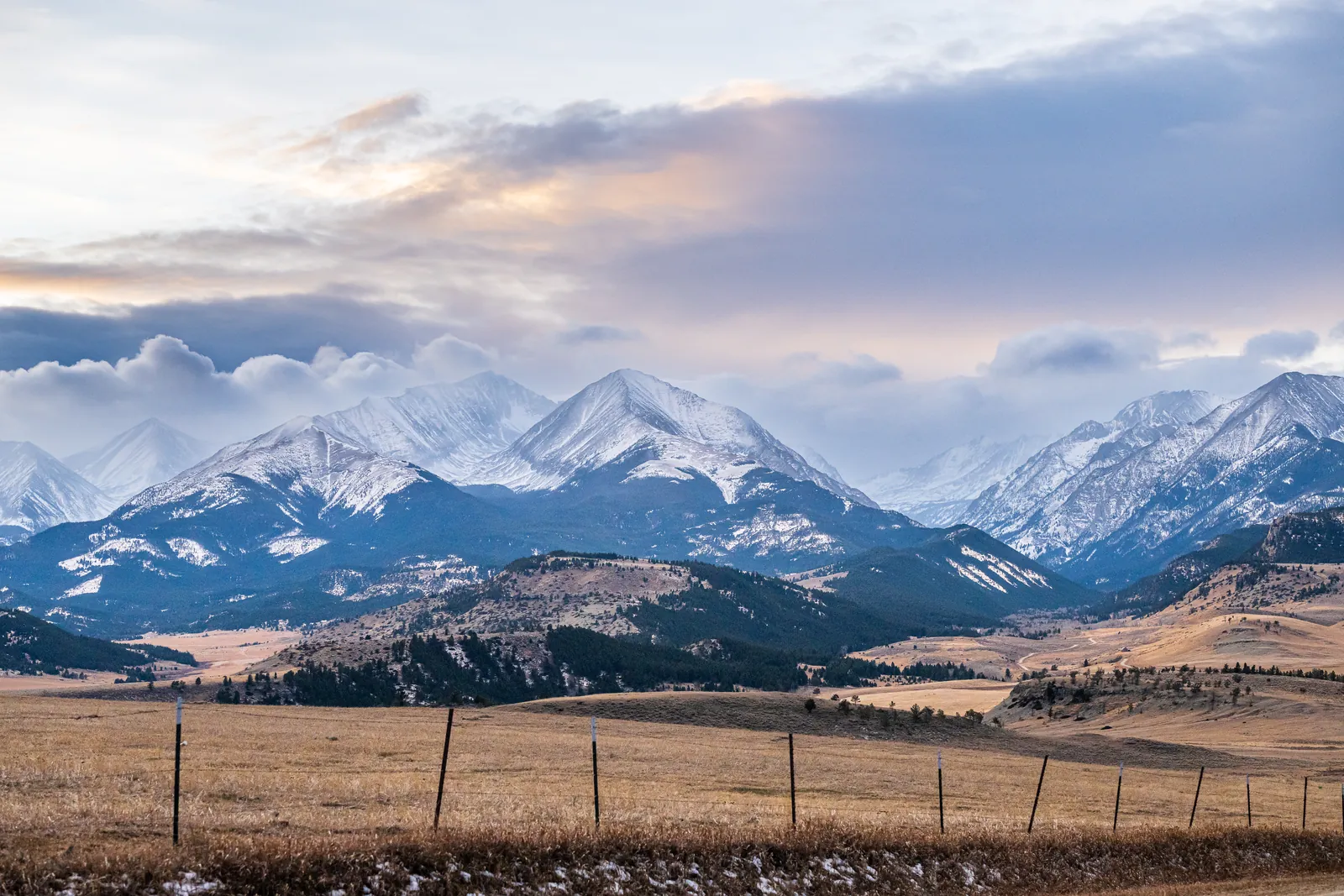
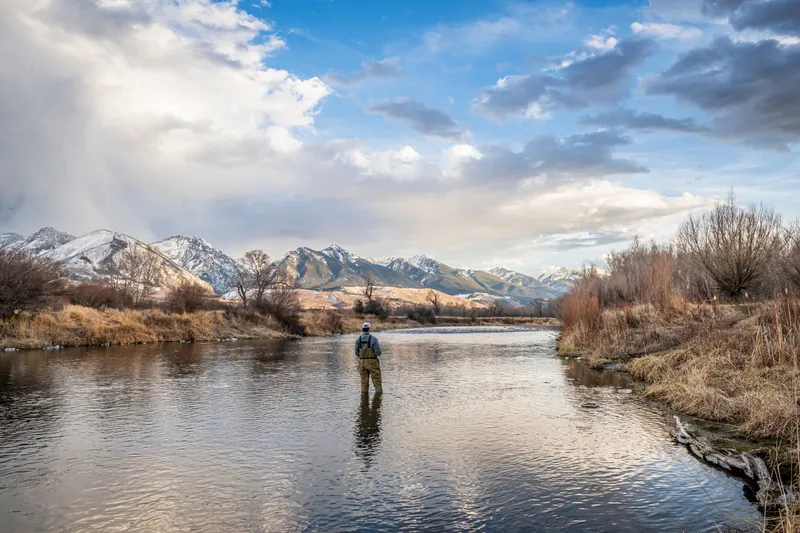
On the east slope of Montana's Crazy Mountains, north of Big Timber, sits the Lazy K Bar Ranch. It has run cattle and horses since 1887 and has welcomed guests since 1922, which makes it the oldest operating dude ranch in Montana.
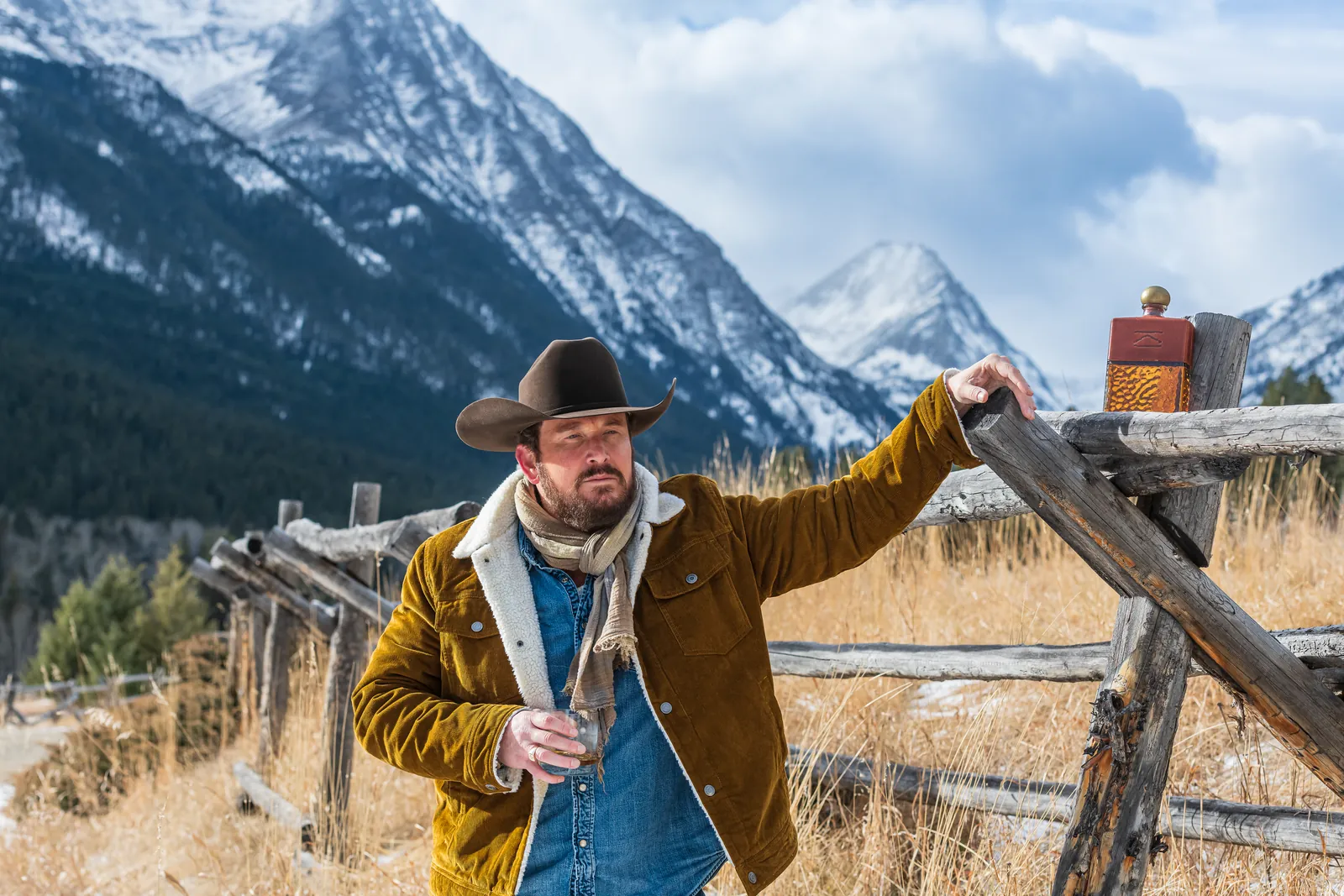
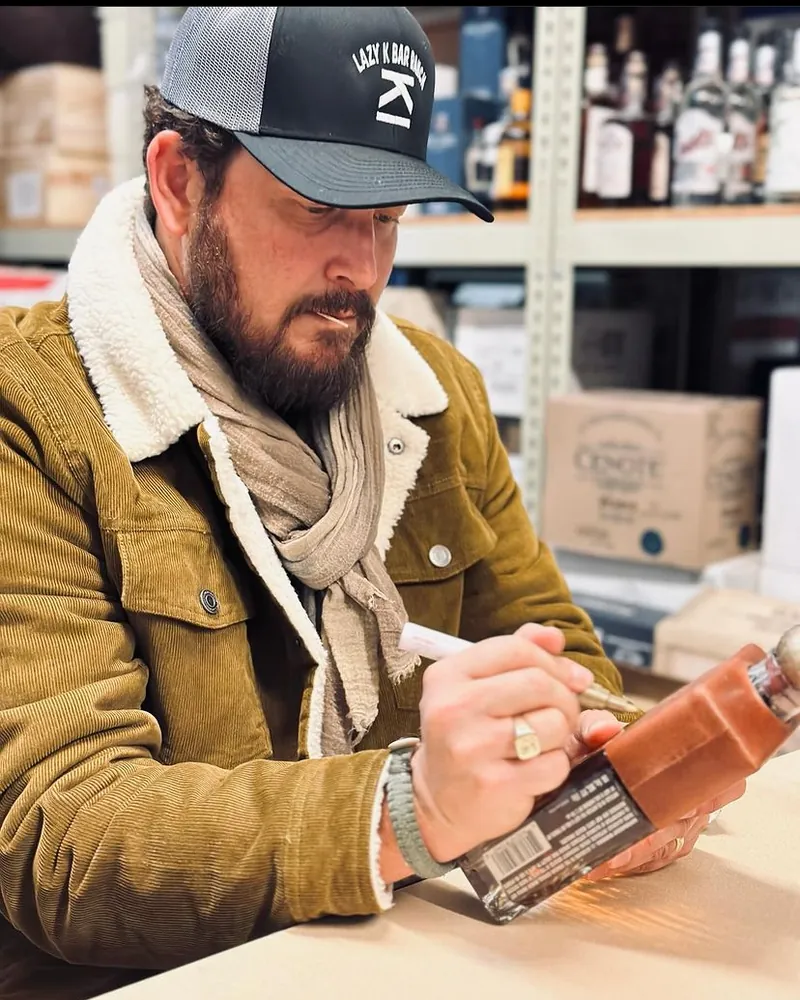
That history went into a bottle. The ranch partnered with a veteran of the spirits business and with Cole Hauser, the actor millions know as Rip Wheeler, the ranch foreman on Yellowstone. Hauser's Montana roots run deep: his great-great-grandfather governed the Montana Territory.
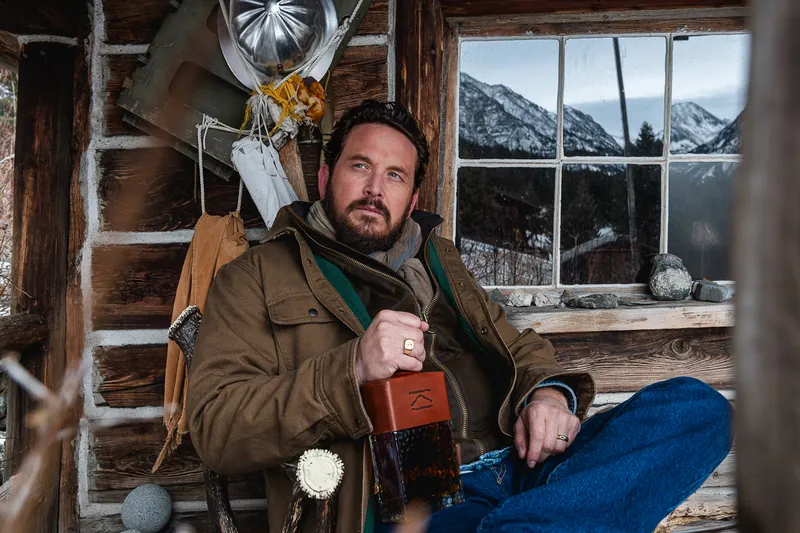
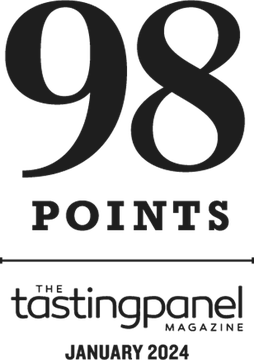
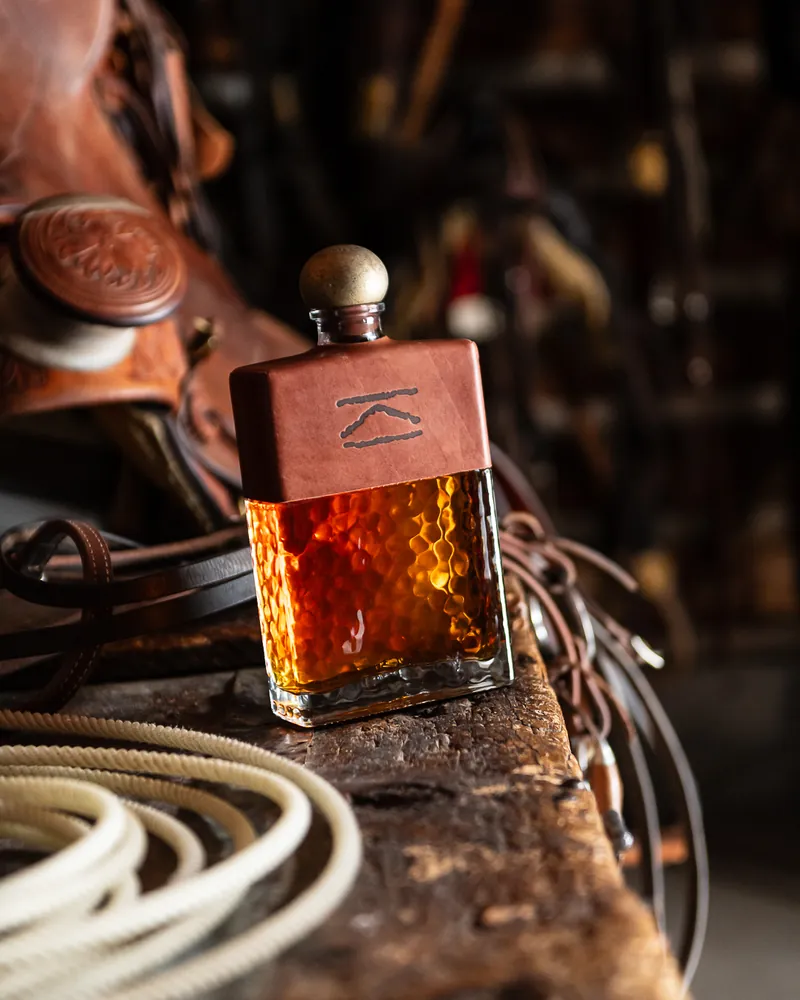
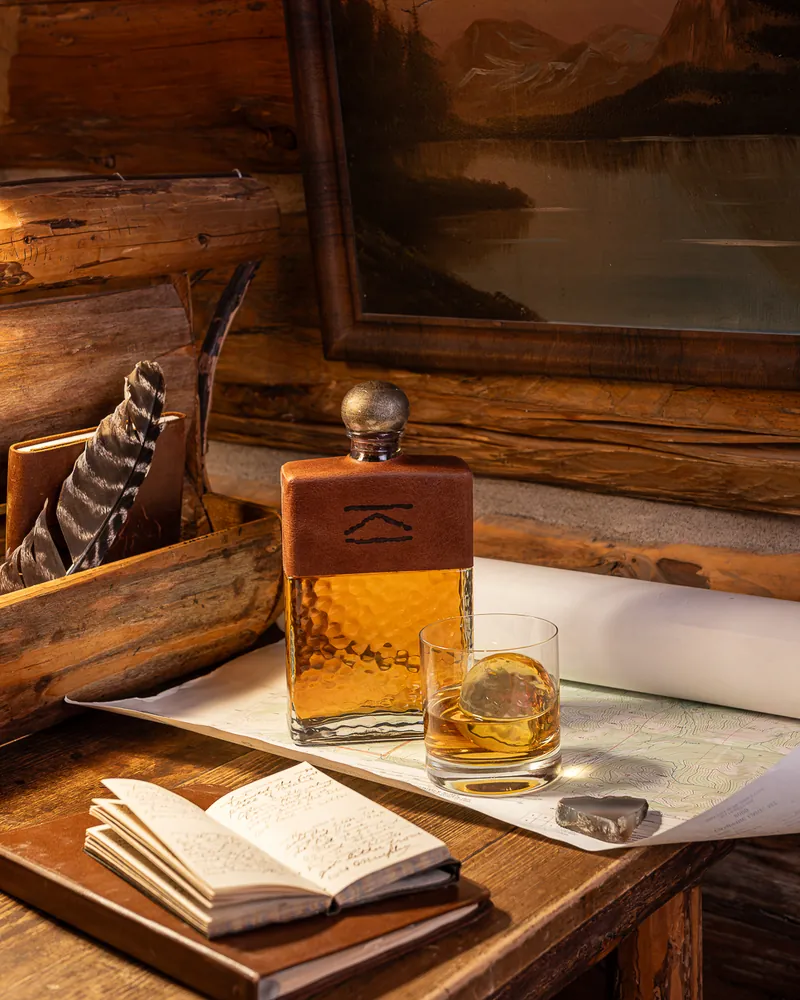
Lazy K Bar Bourbon is a blend of eight-, nine- and ten-year-old Kentucky straight bourbons, bottled in Bozeman. Each hammered-glass bottle wears a leather wrap branded with the ranch's iron. The Tasting Panel gave it 98 points.
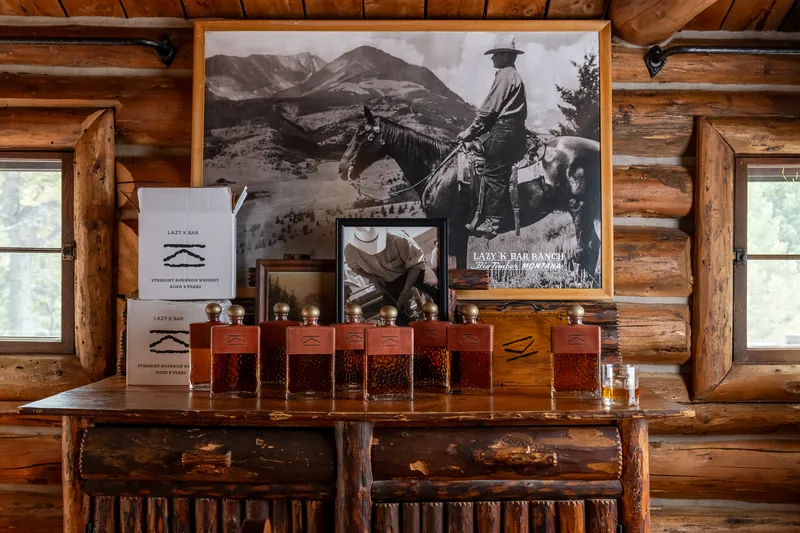
So on day one, Lazy K Bar Bourbon had what most new brands only dream about: a great product, a true story, a famous face, bottles on shelves and a distributor moving cases.
What it didn't have was anything online.
No website. No store. No email list. No ad accounts.
A fan could watch Rip pour a glass on TV and have nowhere to buy a bottle online.
Chapter 2
If Lazy K Bar Bourbon sold coffee mugs, an online store would have been a weekend project. Spirits don't work that way.
The producer sells to a distributor, the distributor sells to a retailer, and only the retailer sells to you. A bourbon brand can't simply ship you a bottle.
Some states allow shipping and some don't. Some, like Idaho and Utah, run the liquor stores themselves.
Ad platforms treat alcohol as a restricted category. Ads can only reach people 21 and over, in-app shopping is off the table, and the platforms ask the brand to prove who it is again and again.
A distillery in Kentucky. Bottling in Montana. A national distributor. A licensed retailer to take orders online. A fulfillment partner to ship them. Then a website, email, reviews and analytics that all have to talk to each other.
Every step from the bottle to the buyer is a different company
In stores: three tiers, set by law
Online: the part Working Web Media connected and ran
Email, reviews and analytics tie every step together
Each vendor owns one piece of the customer's experience. Nobody owns the whole thing.
That was the job Working Web Media took on: be the one team that owns the whole thing.
Chapter 3
In the summer of 2024, the plan looked solid. The original commerce partner was a licensed online retailer with a white-label checkout. Working Web Media built the new Lazy K Bar Bourbon website around it.
The trouble started before launch. A bug in the partner's checkout code left the shopping cart empty. Working Web Media reported it, then followed up, and followed up again. Days went by with no fix.
In mid-August the new site went live. Minutes later, the first test purchase failed.
The checkout belonged entirely to the partner, so only their team could fix it. The brand's instruction was clear: don't send a single customer to that buy button until it works.
The checkout was eventually repaired. The deeper problems weren't. Over the next few months:
The site was built and the ads were running, but the foundation underneath was cracked. Every ad sent shoppers to a checkout the brand couldn't fully trust.
Chapter 4
There's never a good time to rebuild your store. Lazy K Bar Bourbon did it anyway.
At the end of 2024, Working Web Media started the move to a new foundation: a Shopify store paired with a licensed alcohol checkout partner built for exactly this problem. Over the next several months, that meant:
Rebuilding the storefront so it still looked like the site customers knew
Moving the products and setting up compliant payments and shipping
Rewiring everything that depended on the old system: analytics, email, reviews and ad tracking
The switch wasn't gentle. The old checkout went down partway through the move, the ads went dark, and Google made the brand re-verify its ad account before they could run again.
At the end of April 2025, the new store went live. Within days, real sales were showing up in analytics.
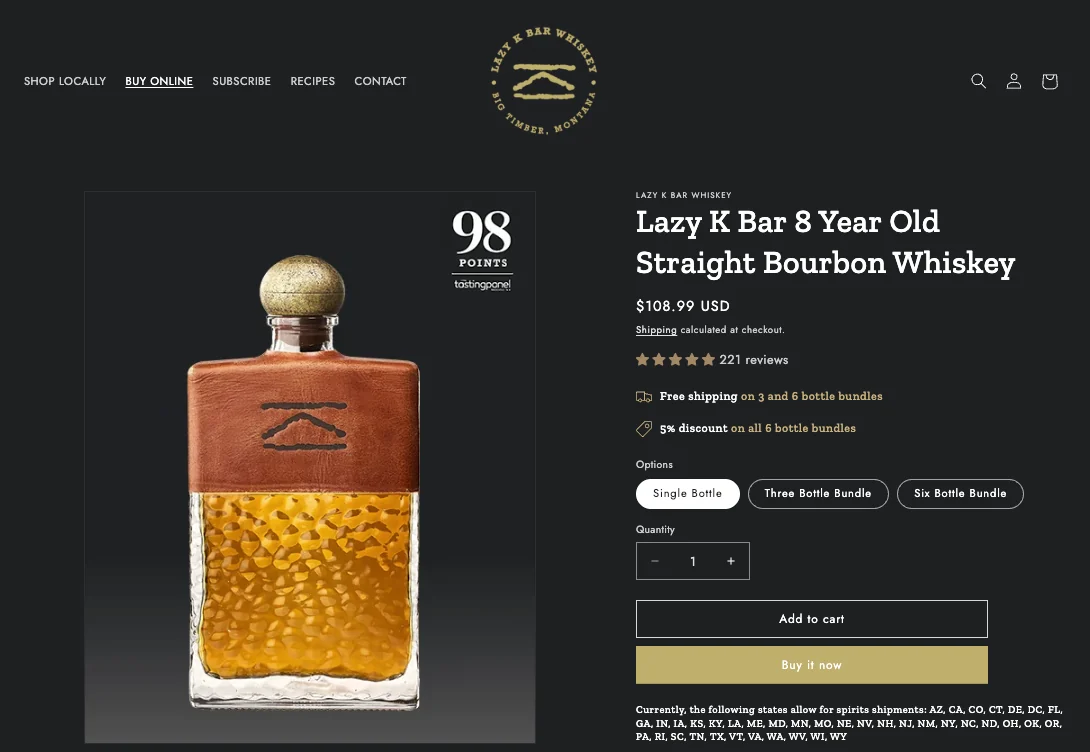
For the first time, every piece talked to every other piece. A shopper could see an ad, buy a bottle, get an email and leave a review, and the brand could trace that sale back to the ad that started it.
The sale traces back to the ad that started it
Chapter 5
A solid foundation only matters if people show up. With the plumbing fixed, the advertising could finally do its job.
Meta and Google campaigns sent shoppers straight to the new Shopify store, and every purchase reported back to the ad that earned it.
Each state got its own moment, from waving-flag videos for Texas and Colorado to "where to buy" pages that told locals which stores carried the bottle.
Cole on the ranch, the leather-wrapped bottle, the 98 points, short videos for Instagram, and seasonal pushes for Father's Day and the holidays.
Email campaigns, abandoned-cart reminders and review requests turned one-time buyers into people the brand could reach again.
New analytics tied each sale to the ad or email that drove it, so the budget went to what worked.
By early 2026, Lazy K Bar Bourbon had something it never had before: an audience of its own.
Chapter 6
In early 2026, Newsweek's expert panel named Lazy K Bar Bourbon a nominee for Best Bourbon in its Readers' Choice Awards. Then the readers voted, once a day, through the end of February.
The brand asked for one thing: a way to send every visitor to the ballot. Within a day, Working Web Media had a "Vote for Lazy K Bar Bourbon" pop-up running on the site.
A pop-up is a small thing. What mattered was everything behind it. This time the audience had somewhere to go: a website people trusted, an email list that knew the brand, and followers who had seen the bottle for months.
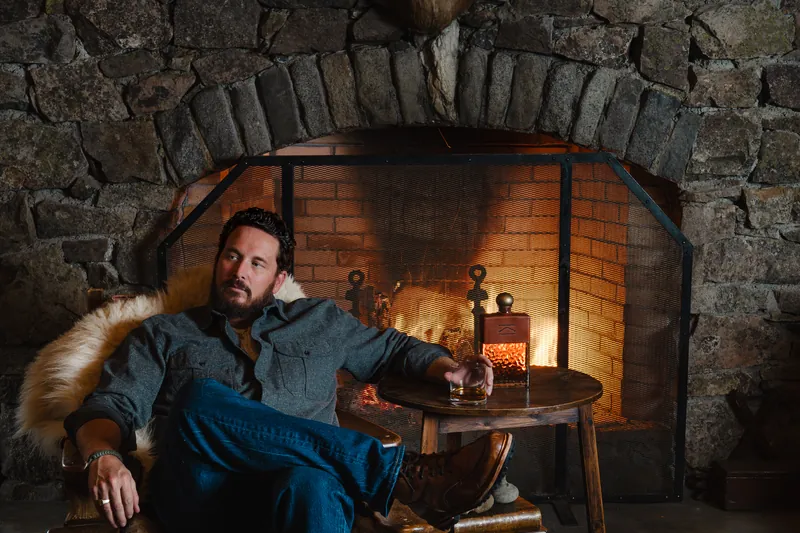
When Newsweek published the results, Lazy K Bar Bourbon was #1.
Best Bourbon of 2026, as voted by Newsweek's readers.
Less than two years earlier, nobody could buy a bottle online.
That's where this story ends. The work goes on: new states, new creative, and a brand with a voice of its own.
Your product probably isn't bourbon. But if any of these sound like your week, this story is about you too:
Lazy K Bar Bourbon faced every one of these. Working Web Media's job was to own the whole thing, fix what was broken, and keep the brand moving while it did.
“We had a great bourbon and a name people recognize, and no way to sell a single bottle online. Working Web Media built it, rebuilt it when it broke, and never let us lose a step. When Newsweek's readers put us at #1, it felt like everyone we'd been reaching had finally shown up.”
Tell us what's stuck. We'll tell you where we'd start.
Prefer to call, email, or text? 678.679.2462 · hello@workingwebmedia.com